
Indoor vs Outdoor signages; which one should you incorporate in your marketing strategy? Hey owners and marketing teams, did you know that many businesses despite spending tens of thousands on eye-catching signs, 62% of potential clients are passing them by without even looking at them? Having the appropriate signs in the appropriate locations is more important than simply having signs. With strategic signage solutions that genuinely cooperate rather than compete for attention, Jifa Signs has assisted more than 1000 retail businesses in doubling their foot traffic, and in this article, we will share our experience backed insights.
Table of Contents
Understanding the Key Differences Between Indoor vs Outdoor Signage
Physical Durability Requirements for Different Environments
Size and weatherproofing aren’t the only distinctions between indoor vs outdoor signage. When these two come together, a psychological trigger occurs, and we’re going to show you exactly how the major brands take advantage of this to attract customers like magnets.
But first, allow me to expose the expensive error that is most likely currently waiting outside your door…
Have you ever wondered why the signs inside your favorite store look so different from those outside? It goes beyond aesthetics. The heavyweight champions of the signage industry are outdoor signs. To survive anything Mother Nature throws at them, they are constructed like tanks. We are discussing materials such as:
- Aluminum of marine quality that won’t rust even after years of exposure to the elements
- Hailstorm-resistant high-density urethane
- Acrylics that are resistant to UV light and won’t turn into a depressing, faded version of themselves
Indoor Signs are the ‘cheese’ siblings who don’t require bulking up. They can be made from brittle materials such as:
- Ordinary acrylics that would break outside but appear immaculate inside
- Lightweight foamcore that works well for transient displays
- Vinyl and fabric that would degrade outdoors but flourish in controlled settings
Cost is directly impacted by variations in durability. The cost of that outdoor sign could be two to three times higher than that of its indoor equivalent. However, believe me when I say that attempting to save money by utilizing indoor materials outdoors is penny wise but pound foolish.
Visibility Factors and Viewing Distance Considerations: Indoor vs Outdoor
When we discuss how people actually see your signs, the game completely shifts. Outdoor signage must be so conspicuous that it can be seen from the other side of the road. Your potential customers might be zooming by at 45 mph, giving you about 3.5 seconds to make an impression. Refer to the table below:
| Viewing Distance | Minimum Letter Height | Impact on Design |
| 30m | 8cm | Bold, simple fonts non-negotiable |
| 90m | 20cm | Color contrast becomes critical |
| 150m | 33cm | Details become irrelevant, focus on basic shapes |
Indoor signs as the demure siblings get to subtly convey their message. People are already in your personal space, moving more slowly and being more open to information. You can add finer details that would be lost outside and use smaller text (think 1-inch letters for something seen from 25 feet).
There are also significant differences in the lighting strategy. Outdoor signs require their own lighting at night because they fight the sun during the day. Although they can be made to stand out with careful spotlighting, indoor signs can be used with your current lighting configuration.
Weather Resistance vs. Climate-Controlled Settings
The weather drastically alters the design and upkeep of your sign, not only affecting how long it must last.There are many obstacles that outdoor signs must overcome:
- Variations in temperature that can lead to materials expanding and contracting
- UV rays that bleach colors more quickly than you can say “faded brand image”
- Wind loads that have the potential to transform badly placed signs into hazardous projectile
- Deterioration is accelerated by moisture that seeps into every small crack.
The difference in quality is astounding. A high-end outdoor sign may retain 90% of its aesthetic appeal after five years of weathering, whereas a low-cost one may appear worn out after just one severe season.
Like the real cheese babies, indoor signs lead luxurious lives. Special UV-resistant inks, which are 30% more expensive, are not necessary for them. They don’t need anti-condensation or waterproof sealing. Your investment in signage is protected by the climate control that keeps your customers comfortable. This does not imply that indoor signs are exempt from environmental regulations. Even indoor lighting can eventually cause color fading, albeit much more slowly than outdoors, and HVAC systems can produce dust accumulation.
Size and Scale Variations for Maximum Impact
In the world of signage, size is crucial. The rule for outdoor signs is straightforward: go big or go home. 76% of customers entered a store they had never been to before based only on its sign, according to a FedEx Office study. But here’s the kicker, signs that were too small for their location actually damaged brand perception. The perfect outdoor sign size depends on:
- Building setback from the road
- Speed limit of nearby traffic
- Surrounding visual competition
- Municipal regulations (more on that headache later)
Indoor signs thrive on proportion rather than sheer size. That massive outdoor monument sign would look ridiculous hovering over your checkout counter. Instead, indoor signage works best when it’s scaled to:
- The room’s dimensions
- Normal distance for viewing
- The volume of data being communicated
- The branding components and surrounding décor
For indoor directional signs, what is the ideal ratio? The minimum viewing distance (in feet) divided by 10 should be the text height (in inches). Anything too small makes your customers angry; anything too big makes them feel like you’re yelling at them. To see how we have used this knowledge in various use cases, you can look at some of our work here.
Installation Requirements and Regulations
Ignoring the red tape can cost you tens of thousands of Rands, but no one wants to discuss it. Installing outdoor signs is a regulatory minefield:
- Zoning regulations that limit height, size, and lighting
- Public safety requirements for structural engineering
- Weeks or even months may pass during the permit process.
- Restrictions from historical districts that can block contemporary designs
- Compliance with electrical codes for illuminated signs
Depending on your municipality and the nature of the work, permit fees in South Africa can range from R3,000 to more than R35,000. Ignoring this step? Be ready for harsh punishments; some local governments have the power to fine you more than R150,000 or even order you to tear down buildings that don’t comply.
Indoor signs have a lot more latitude. Most don’t need permits unless they have an impact on emergency exits or require extensive electrical work. Don’t get too comfortable, though, because indoor signage in public areas must comply with safety regulations.
The actual installation procedure is completely different. Frequently, outdoor signs need:
- Heavy machinery such as bucket trucks or cranes
- Footings of concrete that are below the frost line
- Electrical connections that are weatherproof
- Safety protocols and several installers
Meanwhile, a few wall anchors or adhesive mounting systems may be all that is needed for indoor installation. The disparity in installation expenses can be startling.
Matching Outdoor Signage to Business Goals
Outdoor signage serves as a silent salesman and is more than just decoration. Your signage needs to be in line with your brand goals in order to properly support your business objectives. Do you want to draw in walk-in customers? To get attention quickly, use bold fonts, clear messages, and colors with a lot of contrast. Do you want to project a high-end image? Choose sophisticated materials, understated styling, and expert finishing. Endorsing a particular good or service? Add images or phrases that highlight that offer. Every company has a goal, be it conversion, credibility, or visibility. When made with intention, well-designed outdoor signs can aid in achieving all three.
Leveraging Indoor Signage for Business Success
Indoor signage does far more than decorate your space, it’s a silent ambassador of your brand, working hard to inform, guide, and convert. Start by enhancing customer experience with wayfinding. Clear, well-placed directional signage helps visitors feel comfortable and confident navigating your space, whether it’s a boutique, office, or restaurant. No one likes feeling lost, and a smooth flow keeps customers engaged longer.
Next, use strategic point-of-sale (POS) displays to turn browsers into buyers. Signs placed near the checkout area or alongside product displays can highlight limited-time offers, new arrivals, or bestsellers. This subtle guidance nudges customers to make impulse purchases or explore more of what you offer.
Throughout your space, reinforce your brand identity. Every sign, from restroom indicators to welcome board, is an opportunity to echo your brand’s colors, fonts, voice, and values. Consistency builds trust and creates a cohesive customer experience.
To create a captivating atmosphere in your space, use ornamental signage. Consider statements, sayings, or cultural references that capture your company’s essence. Customers love sharing Instagram-worthy moments created by fashion or lifestyle brands.
Remember to include safety and compliance signage as well. In addition to being required by law, clearly marked fire exits, accessibility features, or sanitation procedures demonstrate your concern for the welfare of your patrons.
In the end, indoor signage combines strategy and utility. When executed properly, it transforms common areas into branded experiences that inform, inspire, and amuse. Investing in well-considered indoor signage does more than just decorate; it also guides the customer journey, fosters loyalty, and increases sales from the inside out.

Indoor Signs
Cost Considerations and ROI Analysis
It’s critical to consider the long term when choosing between indoor vs outdoor signage, not just the initial cost. Your signage is a functional tool that affects consumer behavior and brand perception in addition to being a visual component.
Let’s start with the original investment. With costs varying from R3,000 to R30,000 based on size, materials, and lighting, indoor signage is typically less expensive. Wayfinding signs, menu boards, and branding decals are examples of inexpensive yet effective tools for a restaurant. The initial cost of outdoor signage, however, is higher and can range from R10,000 to R200,000+, depending on factors like visibility, size, and weather resistance. Among other signs, consider your billboard, which is always in operation, even when your doors are closed.
Next, think about long-term upkeep. Outdoor signs need to be able to survive the elements—sun, rain, wind, and possibly vandalism—which calls for the purchase of sturdy materials and sporadic maintenance or replacement. Because indoor signage is less vulnerable to environmental hazards, it requires less frequent and minimal maintenance, which lowers its cost.
So, how do you determine whether it’s worthwhile? After installing signage, measure the increase in foot traffic, inquiries, and sales to determine your Return on Investment (ROI). Effective signage can increase revenue by converting onlookers into paying customers, improving the in-store experience, and strengthening brand loyalty.
Finally, consider scalability. Select flexible and modular signage systems if your company is growing. Is it simple to update them with new product lines, store locations, or seasonal campaigns? Adaptable signage will save you money in the long run as your brand evolves.
Making the right choice for your specific business needs.
If there is a place you shouldn’t take sides, this is it. Do not approach it as indoor vs outdoor signage because it is about striking a balance. Your audience, industry, and desired brand experience will all influence your decision. Let’s dissect it according to the type of business:
Strategies for Retail Business Signage
Visual impact and visibility are key components of retail success. Use window displays to pique interest and large, striking outdoor signs to draw foot traffic. Product-focused signs and point-of-sale displays indoors aid in directing purchasing decisions, emphasizing sales, and turning browsers into customers. Additionally, avoid leaving your gondola ends and bulk stands bare at all costs! Even the slow movers will pick up their pace if the proper merchandising and indoor signage are in place.
Solutions for Service-Based Business Signage
Signage for salons, spas, tailors, repair shops, and other similar services must establish clarity and trust. Make a good first impression by using branded, unambiguous entrance signage. Use informative signage indoors to describe waiting areas, services, and prices. Professional finishes and personal touches enhance the client experience.
Methods for Restaurant and Hospitality Signage
Ambience is crucial when it comes to cuisine and hospitality. Think of digital displays, chalkboard menus, or illuminated signs for outdoor signage that sets the mood. Inside, an immersive atmosphere is produced by wayfinding, menu boards, and decorative accents. To draw attention to house rules, daily specials, or customer reviews, use signage.
Considerations for a Professional Office and Corporate Environment
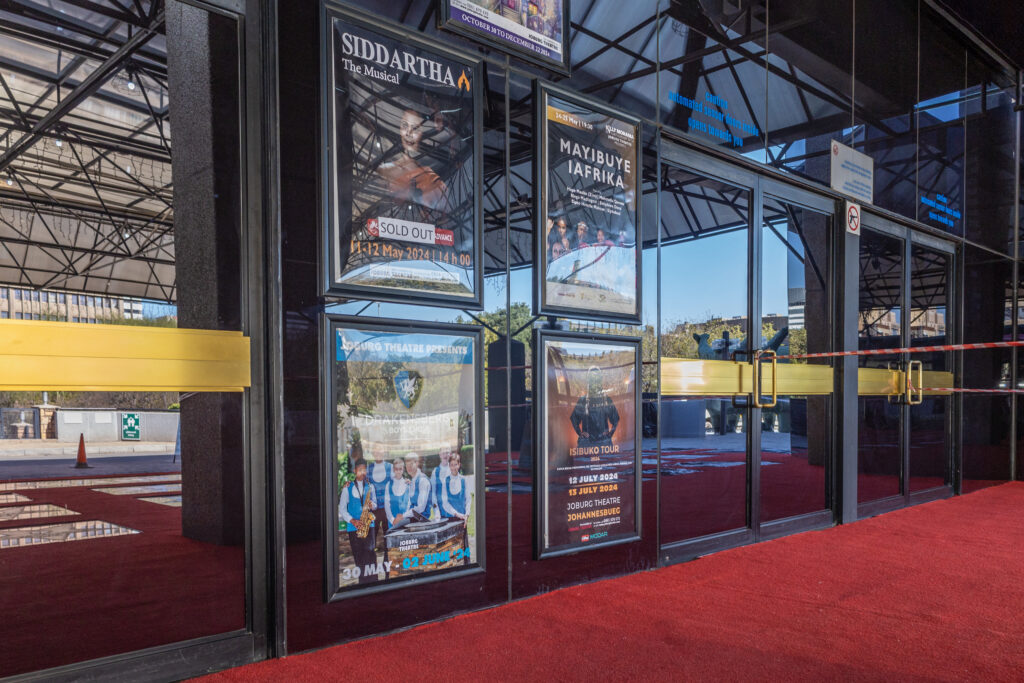
Indoor vs Outdoor Signage
Clean, expert signage that conveys credibility is essential in corporate settings. Wayfinding, room identifiers, and reception signs should all reflect the sleek, understated, and superior tone of your brand. Accessibility indicators and fire exits should have subtle yet obvious compliance signage.
Form and function must be matched for signage to be effective. Knowing your business model enables you to select the ideal balance between indoor vs outdoor signage, making sure each sign advances your objectives and enhances the customer journey.
Conclusion

The first step in creating a clever, successful branding strategy is to comprehend the main distinctions between indoor vs outdoor signage. Outdoor signage must be striking, long-lasting, and extremely visible in order to draw attention in busy areas and withstand weather conditions. In contrast, indoor signage enhances the customer journey, encourages engagement, and strengthens brand identity within controlled spaces.
From size and scale to viewing distance to installation requirements, every detail counts. Signage should be in line with your business goals, whether they are to increase foot traffic, establish a landmark presence, or make it easier for people to navigate your space.
Every industry has different requirements. Point-of-sale and promotional signage are advantageous to retail businesses. Informational, trust-building displays are essential for service-based brands. Immersion, on-brand experiences are key to the success of restaurants and hospitality venues. Offices require visual systems that are cohesive, professional, and compliant.
Backed by years of experience, Jifa Signs will help you strike the balance and settle the score between indoor vs outdoor signage, doubling foot traffic to your business through signage. Give us a call today.